2024's Viral Food Trends, Honestly Reviewed: A Gut Report From the Trenches
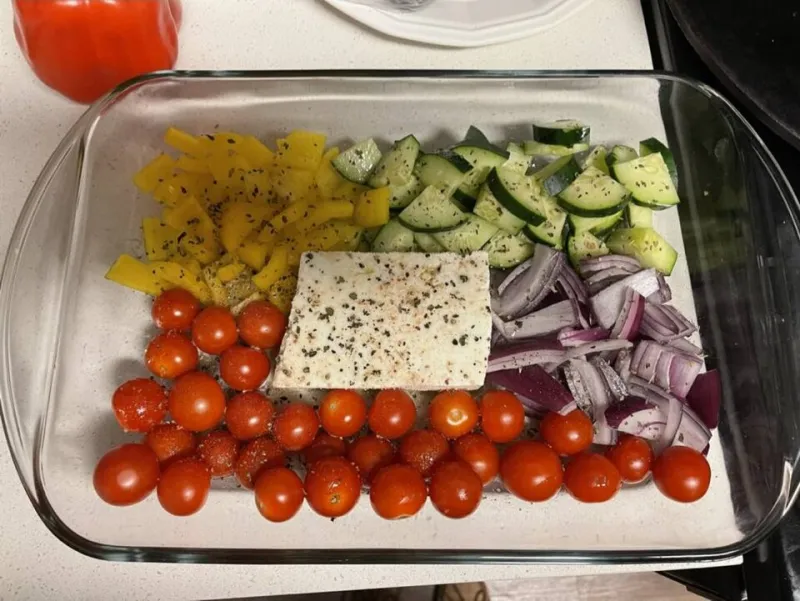
Photo: Gabbybratcher, CC BY-SA 4.0, via Wikimedia Commons
Every year, the internet decides what we're going to eat, and every year, roughly 40% of those decisions are a cry for help. 2024 was no exception. Between the AI recipe generators hallucinating ingredients that don't exist, the celebrity-endorsed snack collaborations that tasted like a board meeting, and the TikTok chefs who convinced millions of people to put things in their mouths that no reasonable adult should ever put in their mouths — it was a year.
We've catalogued, ranked, and honestly assessed the biggest viral food moments of 2024. Some of these are genuinely great. Most are pure chaos. A few should be investigated by federal authorities.
🥒 The Cucumber Salad Era (February–April)
What it was: A TikTok creator posted a smashed cucumber salad with a punchy vinegar-sesame dressing, and within two weeks approximately 47 million people had made it. The cucumber became a symbol of something. We're still not sure what.
Honest take: Actually incredible? This is the rare viral food moment that held up under scrutiny. Smashed cucumbers absorb dressing better than sliced ones, the texture is satisfying, and the recipe is genuinely easy. This is what food TikTok should be doing.
The weird part: People started putting cucumbers in everything. Cucumber lemonade, cucumber pasta, cucumber smoothies. The moment the trend jumped from "salad" to "what if we just... cucumber all of it," we lost the thread.
Would We Order Again? The original salad: absolutely yes. The cucumber smoothie: please seek counseling.
Trend Rating: 8/10 — One of the few viral recipes that actually slaps.
🍫 The Pistachio Everything Takeover (Year-Round)
What it was: Pistachio cream, pistachio lattes, pistachio croissants, pistachio butter spread on everything including things that should not have pistachio butter spread on them. It started with Dubai chocolate going viral and evolved into a full pistachio industrial complex.
Honest take: Pistachio flavor, when done well, is genuinely delicious — nutty, slightly sweet, deeply satisfying. When done badly, which is how most of the trend played out, it tastes like green-tinted vanilla extract with delusions of grandeur.
Celebrity TikTok moment: Multiple food influencers with 2M+ followers posted pistachio latte tutorials using a paste that costs $22 for a small jar, ensuring that making a "simple" trendy drink at home required the budget of a small catering event.
Would We Order Again? The pistachio croissant from an actual good bakery: yes, every time. The pistachio-flavored protein bar that rode the trend: absolutely not, it tasted like chalk that had been near a pistachio once.
Trend Rating: 6/10 — Great concept, ruined by overextension.
🤖 AI-Generated Recipes (Ongoing Disaster)
What it was: Food content creators started using ChatGPT and other AI tools to generate recipes, posting the results without, apparently, reading them first. The internet was treated to such delights as "pasta with orange juice and cream cheese," a smoothie recipe that called for "1 cup of flour for texture," and a stir-fry that listed "sadness" as an ingredient. (That last one might have been a joke. Might have.)
Honest take: The AI recipe trend is a microcosm of everything wrong with content-first food culture. The goal was never to make something good — it was to make something postable. Several creators did this with genuine humor and self-awareness. Many, many others presented AI slop as legitimate cooking content and then acted confused when the comments were brutal.
The genuinely unhinged part: Some of these recipes went viral because they were bad, which then incentivized more creators to post bad AI recipes for engagement, which means we've created an ecosystem where algorithmic chaos is more valuable than actual culinary knowledge. Great job, everyone.
Would We Order Again? No. We would not order an AI recipe. We would not serve one to our worst enemy.
Trend Rating: 2/10 — Minus one point for the flour smoothie.
🌶️ The Extreme Spice Challenge Industrial Complex (Spring–Summer)
What it was: The One Chip Challenge existed before 2024 but the year saw an explosion of "extreme heat" food content — hot sauce collaborations, spicy ramen challenges, restaurants offering dishes with waiver forms. YouTube and TikTok were essentially a highlight reel of adults making very poor decisions with capsaicin.
Honest take: There's a legitimate market for genuinely spicy food, and some of this content connected viewers with actually great hot sauces and cuisines. But the "challenge" format incentivizes maximum suffering over maximum flavor, which is how you end up watching a 22-year-old cry into a camera for 12 minutes and calling it a food review.
Would We Order Again? The good spicy food that came out of this trend: yes. The performative suffering content: only when we need to feel better about our own life choices.
Trend Rating: 4/10 — Spicy food deserves better representation.
🍳 The Cottage Cheese Renaissance (Ongoing)
What it was: Cottage cheese went from "sad diet food your aunt eats" to "actually a protein-packed miracle ingredient" practically overnight. Cottage cheese ice cream, cottage cheese flatbreads, cottage cheese pasta sauce. The rehabilitation was swift and surprisingly convincing.
Honest take: This one's a genuine redemption arc. Blended cottage cheese genuinely does make a surprisingly good pasta sauce base — creamy, high-protein, and mild enough to take on other flavors. The ice cream version is not as good as real ice cream, but if you're trying to hit your macros it's a respectable alternative.
Would We Order Again? The pasta sauce: genuinely yes. The "cottage cheese sundae" that one creator posted: we're going to pretend we never saw that.
Trend Rating: 7/10 — Cottage cheese earned this moment.
🧁 Aesthetic Baking That Tastes Like a Candle (Year-Round)
What it was: Lavender everything. Butterfly pea flower everything. Rose everything. Baked goods in shades of purple, blue, and pink that looked absolutely stunning and tasted primarily of "floral" and "regret."
Honest take: We've officially prioritized Instagram aesthetics over flavor, and nowhere is this more apparent than in the "it's blue" baked goods trend. A butterfly pea flower latte looks magical. It tastes like warm water that briefly touched a flower. The lavender croissant looks like a dream. It tastes like you accidentally ate a soap.
Would We Order Again? Only if we need content. Not if we need sustenance.
Trend Rating: 3/10 — Pretty to look at, actively unpleasant to consume.
The Verdict
2024's food trend landscape sorted cleanly into two categories: things that were actually good and got popular because they deserved it (cucumber salads, the cottage cheese glow-up), and things that were popular because they looked good or generated engagement through either extreme suffering or aesthetic beauty that had nothing to do with taste.
The AI recipe era in particular represents a concerning trajectory — when the content is the point and the food is incidental, we've lost something important. Food is supposed to taste good. It's supposed to bring people together, spark creativity, make you feel something other than "I need to post this before it gets cold."
But hey. At least the cucumber salad was real.