Podcasting Ate Itself: How Your Free Favorite Show Became a $12/Month Subscription
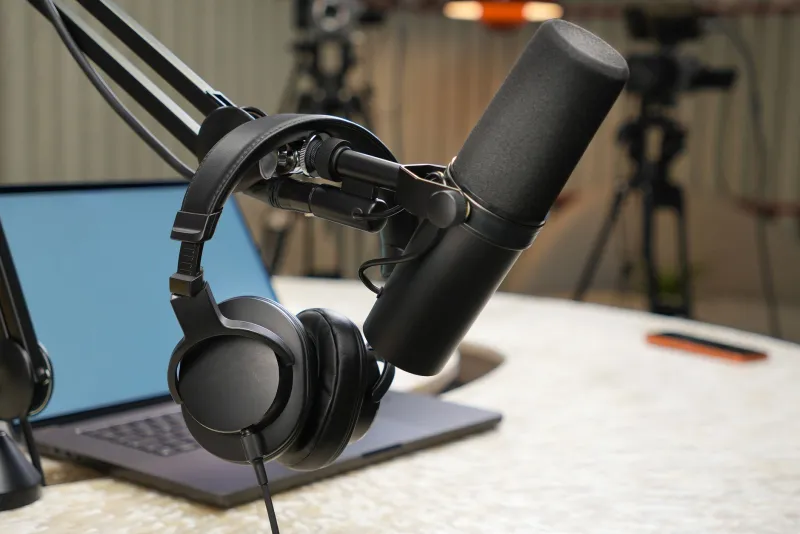
There was a moment, not that long ago, when podcasting felt genuinely radical. Two people with a USB microphone and a Squarespace account could build an audience of millions without a network deal, a publicist, or a single meeting in a glass-walled conference room. The RSS feed was the great equalizer. The medium was open, decentralized, and — crucially — free.
That moment is not dead, exactly, but it has been significantly monetized, restructured, and in several notable cases, locked behind a paywall that requires you to download yet another app. Welcome to the podcast industrial complex. We need to talk.
How We Got Here: A Brief History of Audio Greed
The pivot started innocuously enough. Patreon launched in 2013 and gave podcasters a clean, shame-free way to ask their most devoted listeners for money in exchange for bonus episodes, ad-free feeds, and the warm feeling of supporting independent creators. This was, genuinely, fine. The model made sense. Creators got sustainable income; listeners who could afford it paid; everyone else still got the main show for free.
Then Spotify happened.
Spotify's acquisition spree between 2019 and 2022 was the podcasting equivalent of a private equity firm buying up your neighborhood's best independent restaurants. They dropped $200 million on Joe Rogan. They acquired Gimlet Media, Parcast, The Ringer, and Anchor. They signed exclusive deals with enough big names to make the phrase "only available on Spotify" a regular part of the podcast discourse. The message was clear: the open, platform-agnostic era of podcasting was over, and the streaming wars had arrived to claim their newest territory.
Other platforms followed the money, as platforms do. Amazon's Wondery went exclusive with select shows. SiriusXM's Stitcher Premium started walling off content. iHeart launched subscription tiers. And then the post-pandemic advertising market softened, and suddenly every network and independent operation was looking at their listener numbers and thinking: what if we just... charged these people?
The Paywall Parade: Who Went Where and For How Much
Let's get specific, because the details are where the true absurdity lives.
Spotify's model has evolved from full exclusivity to a tiered approach where some shows are free but premium subscribers get early access, ad-free listening, or bonus content. The result is a fragmented experience where your podcast app of choice may or may not have the episode your friend is referencing, depending on who got there first with a check.
Meanwhile, the Substack-to-podcast pipeline has created a new generation of creator-owned subscription shows where the podcast is essentially a perk of the newsletter subscription — or vice versa. This model works well for creators with established audiences and produces genuinely good content, but it also means that following your favorite writer, journalist, or cultural commentator now potentially involves three separate subscriptions across two different platforms.
The most galling examples tend to be legacy shows — podcasts that built their audiences entirely on free distribution, then introduced premium tiers that put fan-favorite content behind a paywall. The implicit contract with early listeners — you helped build this, now pay again for the good stuff — has generated genuine resentment in podcast communities, which is saying something given that podcast communities are generally among the most loyal and forgiving audiences in media.
What Listeners Actually Think (Spoiler: They're Tired)
Podcast listener surveys consistently show the same pattern: audiences will tolerate ads, they'll accept the occasional Patreon pitch, but they respond poorly to the feeling of being gradually squeezed. The transition from "free show with ads" to "free show with ads AND a premium tier that has the episodes we used to give away" reads as a bait-and-switch, even when the economics behind it are completely understandable.
There's also a discovery problem that the industry hasn't fully reckoned with. One of podcasting's great strengths was its openness — you could clip an episode, share a link, recommend a show to a friend who could immediately start listening in whatever app they already had. Exclusivity deals and app-specific content break that chain. If someone has to download Spotify, create an account, and navigate a new interface just to hear the episode you're telling them about, a meaningful percentage of them simply won't.
The irony is that the platforms competing to lock down podcast content are simultaneously making podcasting a less shareable, less discoverable medium — which is bad for the long-term growth of the very content they're paying to acquire.
Is the Indie Spirit Dead, or Just Resting?
Here's the genuinely hopeful part of this story, and yes, there is one: the barriers to entry for podcasting are still essentially zero. A decent microphone, free hosting, and an RSS feed are still all it takes to reach a global audience. The mid-tier and independent podcast ecosystem — shows with audiences between ten thousand and a million listeners — is still largely free, still largely driven by genuine passion, and still producing some of the most interesting audio content being made.
The big money went to the big names, and some of those names made choices their audiences found disappointing. But the conditions that made podcasting feel radical in the first place haven't fundamentally changed. The technology is still open. The distribution is still accessible. The listeners are still there.
What has changed is the expectation. The early podcast era ran on the assumption that free was the default and money was a bonus. The current era has flipped that, at least at the top of the market. For creators building audiences now, the question of monetization is built into the strategy from day one, which produces different incentives and different content.
Whether that's evolution or enshittification probably depends on which shows you loved and whether they're still free. For what it's worth, your local indie true crime show about regional Midwestern murders is almost certainly still free, still deeply weird, and still exactly what podcasting was always supposed to be.