The Trophy Is Decorative: How the 2026 Awards Show Became a Content Shoot With a Dress Code
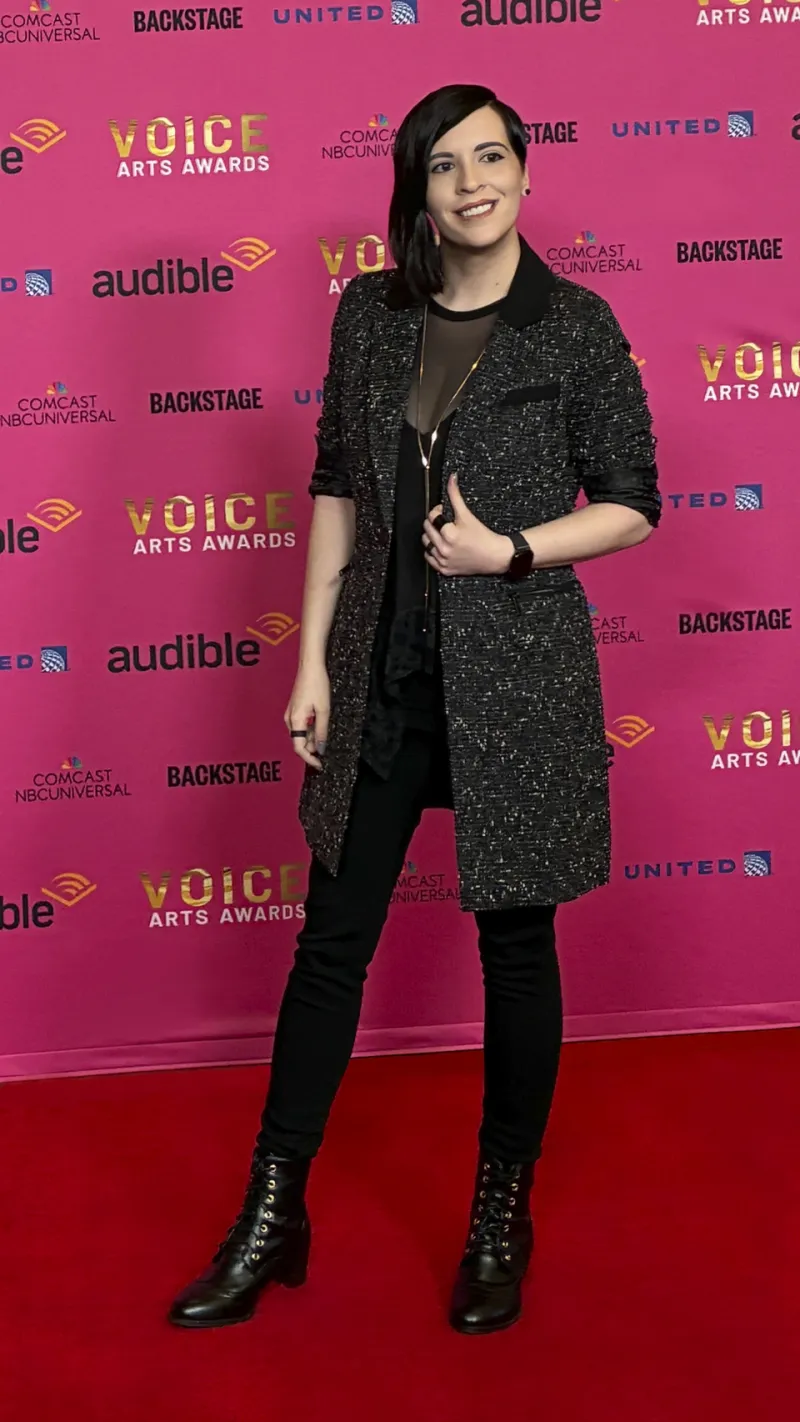
Photo: FaeLBerk, CC0, via Wikimedia Commons
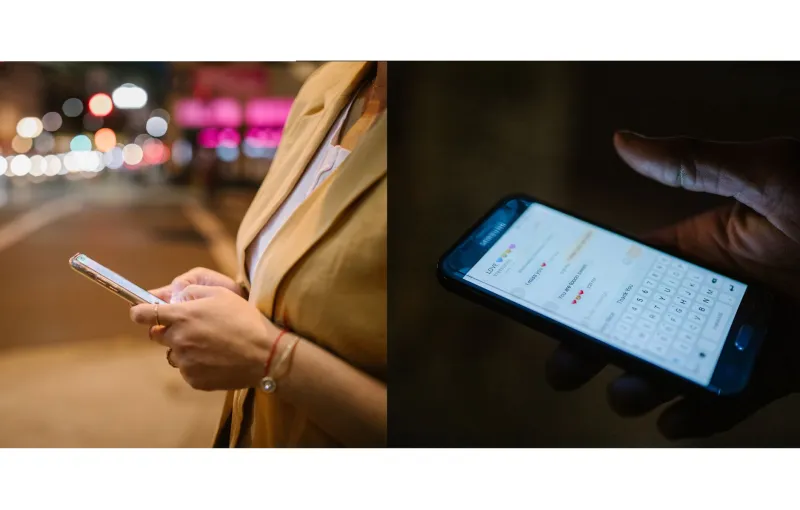
Every January, a room full of extremely famous people in borrowed jewelry gathers to hand out gold-plated hardware, and every January the rest of us pretend we might watch. We won't. What we'll actually do is see the nine-second version on our phones the next morning—trimmed, captioned, scored with something ominous—and we'll have a fully formed opinion about it before we've finished our first coffee. Awards season in 2026 isn't television with a red carpet attached. It's a content shoot with a seating chart.
The ceremony is now the b-roll
Watch a monologue this year and count the setups. There's the cut to the celebrity being roasted, the cut to the celebrity pretending to enjoy being roasted, the cut to the celebrity who was roasted two years ago and is having a wonderful time watching someone else get it. The host isn't writing jokes anymore. The host is writing reaction shots with dialogue on either side.
Producers will tell you this is about "delivering for the audience wherever they are," which is network-speak for: the broadcast is a loss leader, the vertical cut is the merchandise, and the three-hour show exists to generate that cut in broadcast quality. The stage is being lit for a phone held at a 45-degree angle by a person who is not in the room and does not plan to be.
Anatomy of a clip-first evening
The mechanics have gotten brazen. Presenters now hold the envelope, announce the winner, and then pause—not for suspense, for a thumbnail. That pause has a runtime. It has been focus-grouped.
The acceptance speech has a designated "moment" carved into it around the forty-second mark, usually a self-deprecating line about the industry or a shout-out to a person the winner is actively feuding with. You can hear the speech shift gears: thank-yous, thank-yous, thank-yous, here's the part that travels, thank-yous.
Even the seating is engineered. Nominees are placed so the reaction cam can find them without a single camera op panning. Seat fillers have been replaced by people who are contractually obliged to look delighted. And the after-party hallway—historically where celebrities went to behave badly off the record—is now a branded corridor with a step-and-repeat on both ends.
The shameless clip-bait power rankings
A highly scientific ranking of the tropes that exist entirely to be screenshotted by people who did not watch the show:
- The presenter who reads the wrong name on purpose. Two seconds of chaos, fourteen million views, one statement from the network about "a bit."
- The winner who thanks a streaming service by name. A commercial that got to hold a statuette.
- The presenter who appears to mispronounce a nominee's name. It is always a nominee with a large and vocal fanbase. It is never a mistake.
- The bit where the orchestra cuts off a long speech. A classic, but in 2026 the winner is in on it and has been given a punchline for the cutoff.
- The winner who brought a parent. Unbeatable. Will be deployed by at least four campaigns next year.
- The In Memoriam segment that runs long enough to become a discourse about who got left out. There is no such thing as bad press in a montage.
- The winner who does not show up. Genuinely the only unpredictable thing left, which is why the camera lingers on the empty seat for a Republican-primary length of time.
Who's actually getting paid
Follow the money and it's less mysterious than it looks. Fashion houses pay for the red carpet because the red carpet is a photo studio with better lighting and a captive press line. Streamers pay for the broadcast because a nomination is the cheapest ad campaign in the industry. The network sells the same night twice: once to advertisers during the show, once to the platform that licenses the clips afterward.
The talent gets a goodie bag, a bump in quote, and a permanent clip in the internet's memory. Fair enough.
And us? We get the labor. We clip, we stitch, we duet, we write the caption that does the joke better than the actual joke, we fight in the comments with a stranger from Ohio about whether a billionaire's wife was being shady. That's not audience participation. That's an unpaid internship in the marketing department of an industry that has never once thanked us by name.
The participation trophy we all earned
Here's the part that stings: the show isn't worse because it's optimized for clips. It's optimized for clips because clips are the only part we were ever going to consume. The broadcast is a three-hour raw materials delivery, and we're the factory floor.
So watch the highlights. Enjoy them. They're good—they're built to be good, the way a chicken nugget is engineered to be maximally pleasant. Just don't let anyone tell you the ceremony is a sacred institution in decline. It's not declining. It just found a better business model, and the business is us.